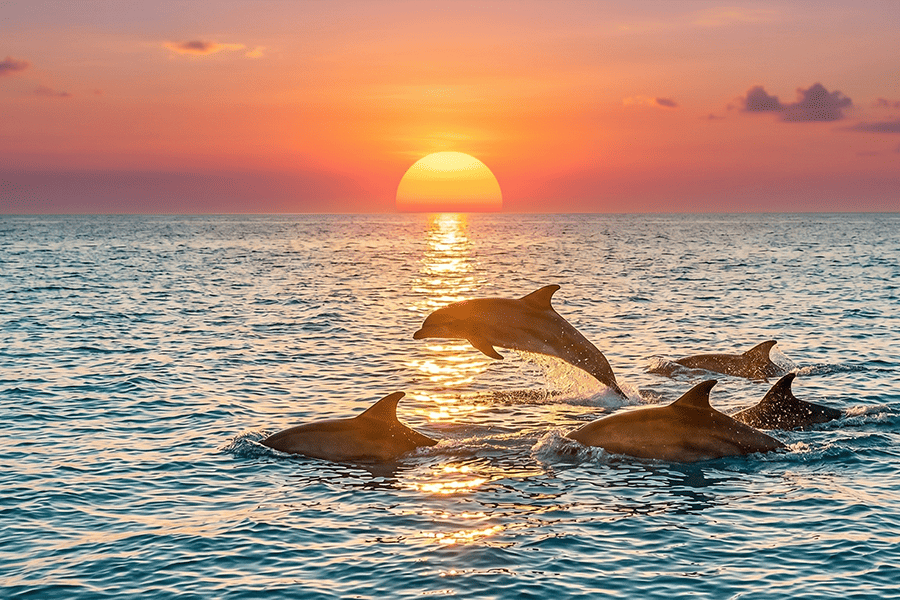
Quick Answer: A Panama City Beach dolphin cruise takes you into the Gulf of Mexico and St. Andrews Bay where Atlantic bottlenose dolphins live year-round. Most tours last 1.5 to 2 hours, with morning trips offering calmer waters and afternoon cruises providing warmer temperatures. You will likely see dolphins feeding, playing, and swimming alongside the boat during your trip.
Panama City Beach sits along one of the most active dolphin habitats on Florida's Gulf Coast. The warm, shallow waters of St. Andrews Bay and the channels around Shell Island create perfect conditions for bottlenose dolphins to thrive. Every year, thousands of visitors join a Panama City Beach dolphin cruise to witness these intelligent creatures in their natural environment.
Whether you are planning a family vacation or looking for a peaceful morning on the water, this guide covers everything you need to know. We will walk through the best times to go, what happens during a typical tour, and practical tips to make your experience memorable.
Why Panama City Beach Is Perfect for Dolphin Watching
The waters surrounding Panama City Beach support a resident population of Atlantic bottlenose dolphins throughout the entire year. According to the National Oceanic and Atmospheric Administration (NOAA), bottlenose dolphins in the Gulf of Mexico typically live in groups called pods, ranging from 2 to 15 individuals.
Several geographic features make this area ideal for dolphin watching Panama City Beach adventures:
St. Andrews Bay provides protected waters where dolphins hunt for fish
Shell Island creates a natural barrier that concentrates marine life
Grand Lagoon offers calm launching points for boat tours
The Gulf Pass channels fish and dolphins between open water and the bay
These waterways give local boat tour operators multiple routes to find dolphins depending on weather and feeding patterns. Captains with years of experience know exactly where to look during different seasons and times of day.
Best Times to Take a Dolphin Cruise in PCB
Dolphins live in Panama City Beach waters all year, but certain times offer better viewing conditions than others.
Seasonal Considerations
Spring (March through May): Water temperatures rise, bringing more fish into the shallows. Dolphins follow the food, making them easier to spot. Weather tends to be mild with calm seas.
Summer (June through August): Peak tourist season means more tour options. Dolphins are highly active, often seen with calves born in spring. Afternoon thunderstorms are common, so morning cruises work best.
Fall (September through November): Crowds thin out while dolphins remain plentiful. Water stays warm enough for comfortable boating well into October.
Winter (December through February): Cooler temperatures keep some visitors away, but dolphins stay active. You might see larger pods gathering during this season.
Time of Day Matters
Morning cruises between 8 AM and 11 AM typically offer the calmest water conditions. Dolphins are often feeding during early hours, making them easier to locate. If you prefer warmer weather and do not mind some waves, afternoon trips work well too.
A sunset cruise PCB combines dolphin watching with beautiful evening views. Many visitors choose these later tours to experience both wildlife and the famous Gulf Coast sunsets.
Ready to see dolphins in their natural habitat? Panama City Beach Watersports offers dolphin cruises designed for families and groups of all sizes. Our experienced captains know exactly where to find dolphins throughout the year.
What Happens During a Typical Dolphin Tour
Understanding what to expect helps you prepare for a great experience. Here is how most PCB boat tours focused on dolphins work from start to finish.
Before You Board
Most tours depart from marinas along Grand Lagoon or Thomas Drive. You will typically need to arrive 15 to 30 minutes before departure to check in. Crew members will give a brief safety orientation and explain the route for the day.
On the Water
Once underway, the captain heads toward areas where dolphins have been spotted recently. Tours usually cruise through St. Andrews Bay before heading toward Shell Island or the Gulf Pass. The ride itself takes about 20 to 30 minutes before reaching prime dolphin territory.
When dolphins are spotted, the boat slows down and follows at a respectful distance. Federal guidelines from the NOAA Marine Life Viewing Guidelines require boats to stay at least 50 yards from dolphins and avoid chasing or circling them.
Experienced captains know that patient, respectful approaches often result in dolphins coming closer to investigate the boat on their own. You might see them:
Riding the wake created by the boat
Leaping out of the water
Feeding on schools of fish
Playing with other pod members
Mothers swimming with calves
Additional Stops
Many dolphin cruises include time near Shell Island, where you can see the undeveloped barrier island from the water. Some shell island boat trips allow you to stop for swimming, snorkeling, or beach time depending on the tour type you choose.
Types of Dolphin Cruises Available
Panama City Beach offers several styles of dolphin tours to match different preferences and group sizes.
Shared Public Tours
These cruises accommodate multiple families or groups on a single boat. They are budget-friendly and give you a chance to meet other travelers. Most public tours use larger vessels that can hold 30 or more passengers.
Private Boat Tours
For a more personal experience, private boat tours Panama City Beach let your group have the entire vessel. You control the pace and can spend more time in areas where dolphins are active. Private tours work especially well for family reunions, birthday celebrations, or groups wanting a quieter atmosphere.
Combination Tours
Some operators combine dolphin watching with other activities like snorkeling, shelling at Shell Island, or sunset viewing. These packages give you more value by fitting multiple experiences into one outing.
What to Bring on Your Dolphin Cruise
Proper preparation makes your trip more comfortable. Pack these essentials for any Panama City Beach dolphin cruise:
Sun protection: Sunscreen with SPF 30 or higher, sunglasses with straps, and a hat. Even on cloudy days, reflection off the water increases UV exposure.
Camera or phone: Dolphins move quickly, so a camera with burst mode helps capture clear shots. Waterproof cases protect your devices from spray.
Light jacket: Ocean breezes can feel cool, especially on morning trips or when the boat is moving fast.
Seasickness prevention: If you are prone to motion sickness, take medication 30 to 60 minutes before departure. Ginger candies or wristbands also help some people.
Water and snacks: Staying hydrated matters in the Florida sun. Check whether your tour allows outside food and drinks.
Tips for the Best Dolphin Sighting Experience
These practical tips increase your chances of memorable dolphin encounters.
Choose experienced operators. Captains who have spent years on Panama City Beach waters know dolphin behavior patterns. Local operators like Panama City Beach Watersports use their daily experience to find active pods.
Stay patient and quiet. Dolphins have excellent hearing. Loud noises can cause them to swim away. Keeping voices low and avoiding sudden movements encourages them to stay near the boat.
Watch the water surface. Dolphins surface to breathe every few minutes. Look for disturbances, splashes, or fins breaking the surface in the distance.
Look for bird activity. Pelicans and seagulls often gather where fish are schooling. Dolphins feed on the same fish, so birds can signal good viewing areas.
Book during weekdays when possible. Fewer boats on the water means less competition for dolphin viewing spots. Dolphins also tend to be less cautious when boat traffic is light.
Looking for a memorable family activity? Our dolphin cruises combine wildlife viewing with the beauty of the Gulf Coast. We offer tours that fit families with young children, couples seeking romance, and groups celebrating special occasions.
Understanding Dolphin Behavior
Knowing a bit about dolphin behavior helps you appreciate what you see during your cruise.
Atlantic bottlenose dolphins are social animals that live in pods. They communicate using clicks, whistles, and body language. According to research from the Dolphin Research Center, each dolphin develops a unique signature whistle that works like a name.
Common behaviors you might observe include:
Bow riding: Dolphins swim in the pressure wave at the front of moving boats. This saves them energy while letting them travel fast.
Breaching: Leaping fully out of the water serves multiple purposes, from communication to dislodging parasites.
Spy hopping: Dolphins sometimes rise vertically with their heads above water to look around at their surroundings.
Tail slapping: Hitting the water surface with their tail flukes can signal other dolphins or stun fish.
Responsible Dolphin Watching Practices
Ethical wildlife viewing ensures dolphins remain healthy and wild for future generations. Responsible tour operators follow these practices:
Never feed wild dolphins, which can make them dependent on humans
Maintain safe distances and let dolphins choose to approach
Avoid separating mothers from calves
Limit time spent with any single pod
Never attempt to swim with wild dolphins
The NOAA responsible viewing guidelines help protect dolphins while still allowing meaningful encounters. Quality tour operators prioritize animal welfare alongside guest satisfaction.
Beyond Dolphins: Other Wildlife You Might See
While dolphins are the main attraction, the waters around Panama City Beach host other interesting creatures.
Sea turtles: Loggerhead and green sea turtles swim in Gulf waters, especially during warmer months.
Rays: Stingrays and spotted eagle rays often cruise the sandy bottoms near Shell Island.
Pelicans and osprey: These large birds dive for fish and nest along the coastline.
Manatees: Occasionally spotted in the bay during warm seasons, though less common than dolphins.
Your captain may point out other wildlife during your tour, adding to the overall experience of exploring local waters.
Planning Your Complete Panama City Beach Water Adventure
A dolphin cruise pairs well with other family-friendly water activities available in the area. Consider building a full day or weekend around multiple experiences.
Morning: Start with an early dolphin cruise when waters are calmest.
Midday: Grab lunch at a waterfront restaurant and relax on the beach.
Afternoon: Try snorkeling at Shell Island or paddleboarding in the lagoon.
Evening: End with a beach bonfire as the sun sets. Panama City Beach bonfire rentals provide everything you need for a memorable night on the sand.
This combination of activities creates lasting memories for families and groups visiting the area.
Frequently Asked Questions About Panama City Beach Dolphin Cruises
What is the best time of year to see dolphins in Panama City Beach?
Dolphins live in Panama City Beach waters year-round, so you can see them during any season. Spring and summer offer the most active dolphin behavior, with calves often visible during summer months. Fall provides pleasant weather with fewer crowds. Winter brings cooler temperatures but dolphins remain present in the bay and Gulf waters.
How long does a typical dolphin cruise last?
Most dolphin cruises in Panama City Beach last between 1.5 and 2 hours. This allows enough time to travel to dolphin habitat areas, observe the animals, and return to the dock. Some combination tours that include Shell Island stops or sunset viewing may run longer.
Are dolphin cruises safe for young children?
Yes, dolphin cruises are generally safe and enjoyable for children of all ages. Tour boats provide required safety equipment, and the calm waters of St. Andrews Bay make for smooth rides. Children often find dolphin watching exciting and educational. Consider bringing snacks and sun protection to keep young ones comfortable throughout the trip.
What happens if we do not see any dolphins during our cruise?
Dolphin sightings are common but never guaranteed since these are wild animals. Experienced captains know where dolphins typically feed and socialize, which increases your chances significantly. Many tour operators have policies addressing trips without sightings, so ask about guarantees or rain check options when booking.
Should I book a private tour or join a shared cruise?
Your choice depends on your priorities. Shared public cruises cost less and work well for individuals or small families who enjoy meeting other travelers. Private tours give your group exclusive use of the boat with more flexibility on timing and destinations. Private charters suit special occasions, larger groups, or anyone wanting a more personalized experience.