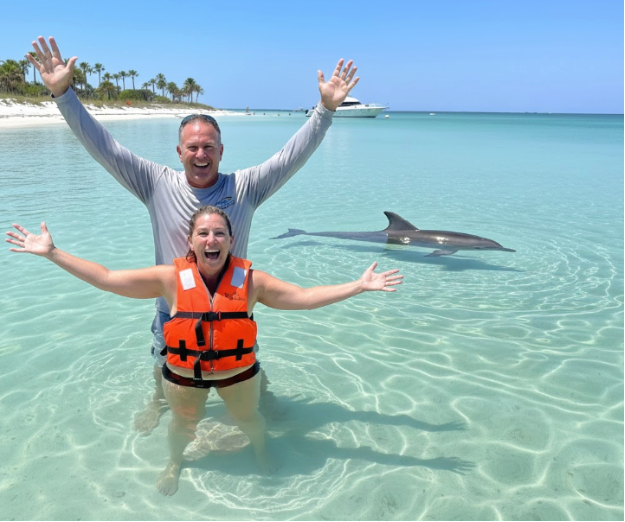
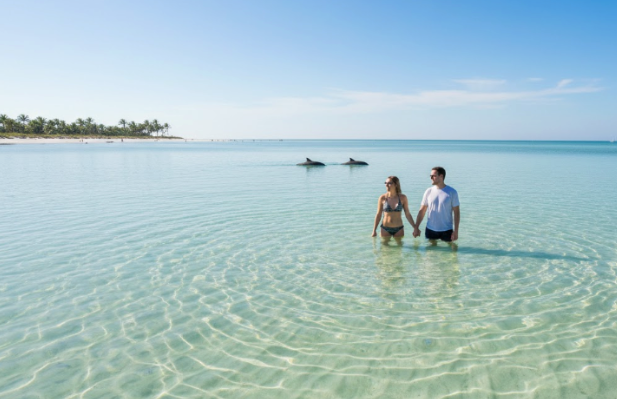
The success of Panama City Beach Watersports' first-timer program appears in concrete metrics. Post-tour surveys from the past year show that 94% of self-identified "nervous swimmers" felt the experience exceeded their comfort expectations. More tellingly, 73% of these first-timers booked additional water activities during their Panama City Beach vacation, indicating a complete transformation in water confidence.
Physical outcomes measured include average time to water entry. While confident swimmers typically enter within 2 minutes of stopping, first-timers average 7-10 minutes. By providing this cushion without pressure, 89% of nervous swimmers eventually enter the water, compared to industry averages of 60-70% when rushed. The patient approach yields higher satisfaction scores and more positive reviews.
The educational component produces lasting impacts. Participants retain an average of 5-7 dolphin facts from their tour, with 68% reporting they shared this knowledge with others after returning home. This educational aspect transforms nervous participants into ocean advocates, with 45% reporting increased interest in marine conservation following their experience.
Financial metrics also support the first-timer focused approach. Guests who overcome initial fears through positive first experiences show a 40% higher likelihood of booking private tours for future visits. Word-of-mouth referrals from conquered-fear stories generate approximately 25% of new bookings, demonstrating the long-term value of patience with nervous swimmers.
Comparing Industry Approaches
Panama City Beach Watersports' methodology for first-time dolphin swimmers differs markedly from standard industry practices. Many operators treat all participants uniformly, expecting everyone to adapt to a single approach. This often results in nervous swimmers remaining on the boat while others enjoy the water, creating disappointment and reinforcing fears.
The graduated entry system sets Panama City Beach Watersports apart. While some operators use a "sink or swim" philosophy, believing quick entry reduces anticipation anxiety, data shows this approach leads to 30% of nervous swimmers never entering the water. The patient, supportive method achieves nearly 90% participation rates while maintaining safety standards.
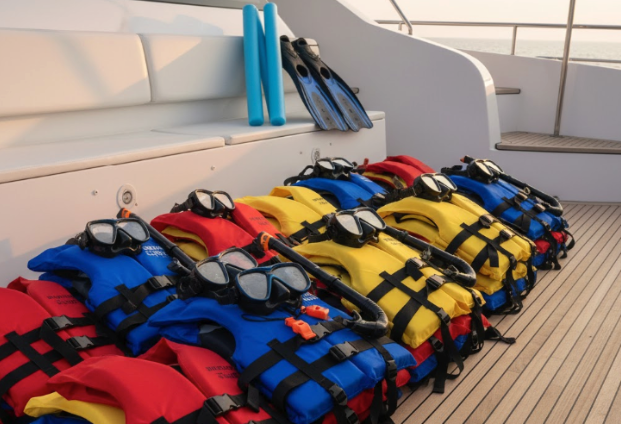
Equipment provision represents another differentiation point. Standard practice involves basic life jacket distribution. Panama City Beach Watersports maintains an inventory including specialized high-buoyancy vests, clear-bottom viewing boards for those preferring to stay at the surface, and even prescription mask options for those needing vision correction to feel secure.
The crew training focus on anxiety management exceeds industry norms. While most operators train crew in water safety and dolphin behavior, Panama City Beach Watersports includes modules on recognizing anxiety signs, verbal reassurance techniques, and creating supportive group dynamics where experienced swimmers encourage first-timers without pressure.
Practical Implementation Guide
Based on successful first-time swimmer experiences, optimal preparation begins days before the tour. Physical preparation includes basic swimming motions practice, even in a bathtub or pool. This muscle memory provides confidence even though life jackets eliminate the need for swimming skills.
Three Days Before:
Practice floating on your back in any available water
Watch videos of dolphin behavior to familiarize yourself with their movements
Write down specific fears to discuss with crew
Arrange for underwater camera or waterproof phone case
Day Before:
Get adequate sleep (fatigue increases anxiety)
Avoid alcohol (impairs balance and increases dehydration)
Review weather forecast for mental preparation
Lay out comfortable swimwear and cover-up
Tour Day Morning:
Eat light breakfast (avoid empty stomach or overeating)
Take any motion sickness prevention if prone
Apply reef-safe sunscreen thoroughly
Arrive early for unhurried preparation
At the Dock:
Voice specific concerns to crew immediately
Try on life jacket while still on dock
Ask about hand signals for in-water communication
Identify your in-water support person
The actual water entry follows proven steps. First, watch others enter to visualize the process. Second, move to the boat's platform or ladder. Third, wet your face and arms to acclimate to temperature. Fourth, hold the ladder while lowering your body. Fifth, let the life jacket support you before releasing the ladder. This systematic approach prevents panic and builds confidence.
Understanding Dolphin Behavior for First-Timers
Knowledge reduces fear significantly. Understanding dolphin behavior helps first-timers anticipate and enjoy encounters rather than fearing unknown reactions. Atlantic bottlenose dolphins exhibit predictable patterns that, once understood, transform anxiety into anticipation.
Dolphins' echolocation creates clicking sounds that first-timers often find startling underwater. These sounds indicate dolphins are "looking" at you using their biological sonar. Rather than aggression, this represents curiosity. Dolphins can determine your heart rate, muscle tension, and even stomach contents through echolocation, making them aware of nervous swimmers and typically maintaining greater distance from anxious individuals.
Common dolphin behaviors during encounters include:
Slow passes: Dolphins often make initial passes at 20-30 feet, assessing the swimmers. This isn't threatening but rather careful investigation. They typically approach closer on subsequent passes if swimmers remain calm.
Spy hopping: When dolphins vertically lift their heads above water, they're visually examining surface activities. First-timers sometimes interpret this as aggressive posturing when it's actually harmless curiosity.
Side swimming: Dolphins frequently swim on their sides to better view swimmers. This positioning allows them to use both echolocation and vision simultaneously, indicating interest rather than aggression.
Group surfacing: When multiple dolphins surface together near swimmers, they're often synchronizing breathing while continuing their activities. This coordination demonstrates their comfort with human presence.
Addressing Specific Fears
Fear of Deep Water
The most common concern involves swimming where feet can't touch bottom. Panama City Beach Watersports addresses this by starting in areas where water depth varies. Near Shell Island, sandbars create chest-deep areas adjacent to deeper channels where dolphins swim. First-timers can stand while observing dolphins, gradually moving to deeper water as comfort increases.
Life jacket technology has evolved significantly. Modern Coast Guard-approved vests provide 15-22 pounds of buoyancy, making sinking physically impossible. Crew members demonstrate this by having nervous swimmers completely relax in the water, showing how the jacket maintains head position well above surface without any effort.
Fear of Dolphins Being Aggressive
While dolphins are powerful predators in their ecosystem, documented wild dolphin attacks on humans in open water are virtually non-existent. Captain Cameron explains that dolphins' intelligence allows them to clearly distinguish between prey fish and curious humans. Their echolocation provides detailed information about our anatomy, making mistaken identity impossible.
The crew shares behavioral signs that indicate dolphin comfort levels. Relaxed dolphins surface smoothly, maintain steady swimming speeds, and often approach in predictable patterns. If dolphins feel uncomfortable (usually due to loud noises or erratic movements), they simply swim away rather than showing aggression.
Fear of Not Being Strong Enough Swimmer
Swimming ability concerns disappear when first-timers understand that dolphin encounters require floating, not swimming. The experience involves being stationary in the water while dolphins pass by. Any movement is typically gentle floating or slow position adjustments rather than active swimming.
For those with zero swimming experience, Panama City Beach Watersports provides additional support options. Crew members can enter the water alongside nervous participants, offering a hand to hold or floating nearby for reassurance. Pool noodles provide extra stability for those wanting additional flotation beyond life jackets.
The Transformation Process
The journey from nervous to nautical typically follows a predictable pattern. Initial boat boarding brings excitement mixed with apprehension. During the cruise to dolphin areas, most first-timers oscillate between anticipation and anxiety. Captain Cameron recognizes these patterns and times his reassuring comments accordingly.
When dolphins first appear, even the most nervous participants experience an adrenaline surge that temporarily overrides fear. This natural reaction, combined with seeing other swimmers safely enjoying the water, creates a psychological shift. The crew capitalizes on this moment, encouraging water entry when excitement peaks.
The first minute in the water proves crucial. Nervous swimmers initially grip ladder or flotation devices tightly. As they realize the life jacket's effectiveness and water temperature comfort, visible relaxation occurs. Shoulders drop, breathing steadies, and death grips loosen. This physical relaxation enables mental calmness.
When dolphins approach swimming humans, first-timers often experience what psychologists call "flow state" – complete absorption in the moment that eliminates self-consciousness. Fear transforms into wonder as swimmers realize they're sharing space with wild dolphins who choose to investigate these awkward human visitors.
Building Confidence for Future Adventures
A successful first dolphin swimming experience creates ripple effects extending beyond the tour. Participants report increased confidence in various water-related activities. The psychological breakthrough of overcoming fear in a supported environment transfers to other challenging situations.
Many first-timers return for additional tours, progressing to snorkeling in deeper areas or trying paddleboarding. The initial success creates a positive feedback loop where each new adventure builds upon previous confidence. Panama City Beach Watersports maintains records of returning guests, noting that 67% who started as nervous swimmers eventually try activities they initially deemed impossible.
The social aspect amplifies transformation. First-timers often bond with others who share similar fears, creating support networks that extend beyond the tour. Social media groups formed by tour participants share encouragement and photos, reinforcing positive memories and inspiring future adventures.
FAQ Section
Q: What if I panic in the water?
A: Crew members are trained in anxiety management and remain close to nervous swimmers. Simple hand signals communicate if you need immediate assistance or want to return to the boat.
Q: Can I stay on the boat if I'm too scared?
A: Absolutely. About 10% of participants choose to observe from the boat, and many still report incredible experiences watching dolphins from above.
Q: How close do dolphins actually come?
A: Dolphins control the distance, typically staying 10-50 feet away. They rarely approach closer than 6 feet, maintaining comfortable space for both species.
Q: What if I can't swim at all?
A: Life jackets provide complete flotation without any swimming required. Many non-swimmers successfully enjoy dolphin encounters by simply floating in place.
Q: How long do I have to stay in the water?
A: You control your water time entirely. Some first-timers start with just 2-3 minutes, while others stay in for the full 45-minute session.
Conclusion
The transformation from nervous to nautical represents more than conquering fear – it opens a gateway to ocean experiences previously deemed impossible. Panama City Beach Watersports has guided thousands through this journey, proving that with proper support, equipment, and patience, anyone can enjoy the magic of swimming with wild dolphins.
Your first dolphin encounter awaits in the calm, clear waters of Panama City Beach. Whether you're a complete non-swimmer or simply nervous about ocean experiences, Captain Cameron and his experienced crew stand ready to guide you through every step. Take the plunge – join the 96% of nervous first-timers who describe their dolphin swimming experience as a life highlight.
This article references publicly available information about dolphin behavior from Florida Fish and Wildlife Conservation Commission and water safety guidelines from recognized authorities. All statistics and outcomes are based on Panama City Beach Watersports' operational data and customer feedback from 2023-2024. Individual experiences may vary based on weather conditions, dolphin activity, and personal comfort levels. For current tour availability and specific accommodations for nervous swimmers, contact Panama City Beach Watersports directly.